



Introduction
The human spine plays a vital role in supporting the body, protecting the spinal cord, and allowing smooth movement. When even a small shift occurs in the spinal bones, it can disturb posture, balance, and nerve function. One of the most common yet overlooked spinal conditions is Anterolisthesis Grade 1. Because it is mild, many people do not realize they have it until pain or stiffness begins.
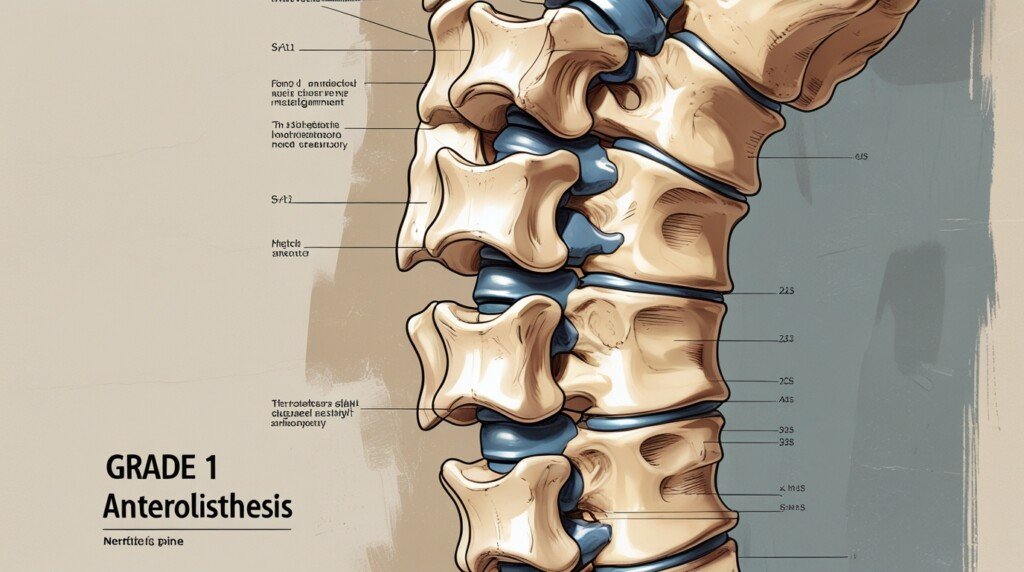
Anterolisthesis Grade 1 happens when one vertebra slips forward over the one below it by less than 25 percent. This small shift can weaken the stability of the spine and slowly lead to discomfort, reduced flexibility, and nerve irritation. With proper knowledge and care, most people can manage this condition effectively and live a healthy life.
This article explains Anterolisthesis Grade 1 in detail, including its causes, symptoms, diagnosis, treatment, exercises, and prevention.
What Is Anterolisthesis Grade 1
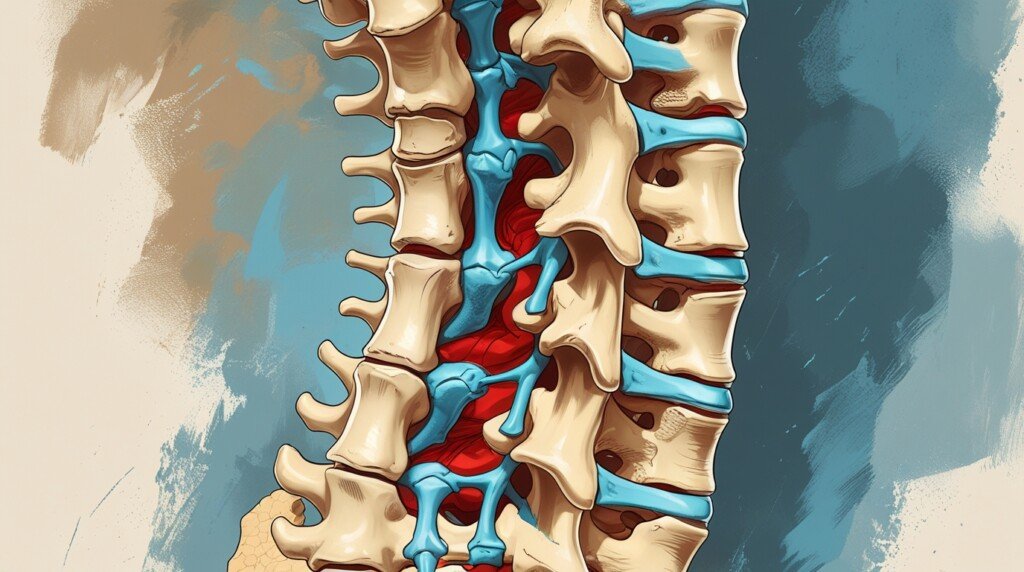
Anterolisthesis Grade 1 is the mildest form of vertebral slippage. The term “antero” means forward and “listhesis” means slipping. It most commonly affects the lower back, especially the L4–L5 and L5–S1 segments, because these areas carry most of the body’s weight.
Although the slippage is mild, Anterolisthesis Grade 1 can still create pressure on muscles, ligaments, and sometimes nerves. Over time, this instability can worsen if not properly managed.
Grades of Anterolisthesis
Doctors classify anterolisthesis based on how much the vertebra has shifted forward.
| Grade | Vertebral Slippage | Severity |
|---|---|---|
| Grade 1 | 1–25% | Mild |
| Grade 2 | 26–50% | Moderate |
| Grade 3 | 51–75% | Severe |
| Grade 4 | 76–100% | Extreme |
Anterolisthesis Grade 1 is the least serious stage and is highly manageable with proper care.
Causes of Anterolisthesis Grade 1
Several factors can lead to Anterolisthesis Grade 1. Some develop slowly over time, while others happen suddenly due to injury.
Common causes include
- Degenerative disc disease
- Age-related spinal wear
- Arthritis
- Weak spinal muscles
- Repetitive bending or lifting
- Poor posture
- Obesity
- Sports injuries
- Genetic spine problems
- Accidents or trauma
As the spinal discs and joints weaken, the vertebrae become less stable, making Anterolisthesis Grade 1 more likely.
Symptoms of Anterolisthesis Grade 1
Many people with Anterolisthesis Grade 1 have mild or no symptoms at first. When symptoms appear, they are usually related to muscle strain or nerve irritation.
Common symptoms
- Lower back pain
- Muscle stiffness
- Tight hamstrings
- Pain when standing for long periods
- Pain that improves when sitting
- Tingling or numbness in the legs
- Reduced flexibility
Some people only discover Anterolisthesis Grade 1 during an X-ray taken for another reason.
How Anterolisthesis Grade 1 Is Diagnosed
Doctors diagnose Anterolisthesis Grade 1 using physical exams and imaging tests.
Diagnostic methods
- X-rays to measure vertebral slippage
- MRI to view nerves and soft tissues
- CT scans to check bone structure
- Posture and movement analysis
- Reflex and strength testing
These tests help confirm the condition and guide treatment.
Is Anterolisthesis Grade 1 Dangerous
Although Anterolisthesis Grade 1 is mild, it should not be ignored. Without proper care, it can progress to higher grades, which can cause nerve compression and chronic pain. Early treatment greatly reduces this risk.
Treatment for Anterolisthesis Grade 1
Most cases of Anterolisthesis Grade 1 can be treated without surgery.
Non-surgical treatments
- Physical therapy
- Core strengthening
- Posture training
- Anti-inflammatory medicines
- Heat and ice therapy
- Weight management
- Chiropractic care
- Back braces
Surgery is rarely needed for Anterolisthesis Grade 1.
Best Exercises for Anterolisthesis Grade 1
Exercise is one of the most effective ways to stabilize the spine.
Helpful exercises
- Pelvic tilts
- Knee-to-chest stretch
- Planks
- Bird-dog exercise
- Cat-cow stretch
- Hamstring stretches
These exercises improve muscle support and reduce pressure caused by Anterolisthesis Grade 1.
Activities to Avoid
Certain movements can worsen Anterolisthesis Grade 1.
Avoid
- Heavy lifting
- Sudden twisting
- High-impact sports
- Long periods of sitting
- Poor posture
- Sleeping on soft mattresses
Can Anterolisthesis Grade 1 Be Reversed
While the vertebra may not return to its exact original position, Anterolisthesis Grade 1 can be controlled and improved. With exercise and proper care, pain and stiffness often disappear.
Lifestyle Changes for Anterolisthesis Grade 1
Healthy habits help prevent worsening.
Important habits
- Maintain good posture
- Stay physically active
- Use ergonomic chairs
- Keep a healthy weight
- Sleep on a firm mattress
- Avoid smoking
When to See a Doctor
If pain increases, numbness develops, or walking becomes difficult, medical care is needed. Anterolisthesis Grade 1 should be monitored to prevent progression.
How Posture Affects Anterolisthesis Grade 1
Poor posture is one of the most important contributors to Anterolisthesis Grade 1. Sitting or standing with a rounded back places extra stress on the lower spine, increasing the chance of vertebral slippage.
Good posture helps keep the spine aligned and reduces pressure on the affected vertebra. When posture improves, pain decreases and spinal stability increases.
Posture tips
- Sit with your back straight and shoulders relaxed
- Keep both feet flat on the floor
- Avoid slouching
- Use lumbar support while sitting
- Do not bend forward suddenly
These habits greatly reduce the strain caused by Anterolisthesis Grade 1.
Sleeping Positions for Anterolisthesis Grade 1
The way you sleep can strongly affect spinal health. For people with Anterolisthesis Grade 1, proper sleeping posture reduces pain and supports healing.
Best sleeping positions
- Sleeping on the back with a pillow under the knees
- Sleeping on the side with a pillow between the legs
- Using a firm mattress
Positions to avoid
- Sleeping on the stomach
- Using very soft mattresses
- Sleeping without neck or lower back support
Correct sleep posture reduces pressure on the slipped vertebra in Anterolisthesis Grade 1.
Diet and Nutrition for Anterolisthesis Grade 1
A healthy diet supports spine healing and reduces inflammation. People with Anterolisthesis Grade 1 benefit from foods that strengthen bones and muscles.
Recommended foods
- Calcium-rich foods such as milk, yogurt, and cheese
- Vitamin D from sunlight and eggs
- Protein from fish, eggs, and lentils
- Green leafy vegetables
- Nuts and seeds
Maintaining a healthy weight is especially important because excess body weight puts more pressure on the spine affected by Anterolisthesis Grade 1.
Work and Anterolisthesis Grade 1
People with desk jobs are more likely to develop or worsen Anterolisthesis Grade 1 because of long hours of sitting.
Workplace tips
- Use an ergonomic chair
- Keep the computer screen at eye level
- Take breaks every 30 minutes
- Stretch your back and legs regularly
- Avoid lifting heavy objects at work
These habits protect the spine and prevent progression of Anterolisthesis Grade 1.
Mental Health and Anterolisthesis Grade 1
Chronic pain from Anterolisthesis Grade 1 can affect mental health. Stress, anxiety, and frustration are common when pain lasts for a long time.
Relaxation techniques such as meditation, deep breathing, and light yoga help reduce muscle tension and pain. A positive mindset also supports recovery.
Conclusion
Anterolisthesis Grade 1 is a mild but important spinal condition. With early diagnosis, exercise, and lifestyle changes, most people can live comfortably and avoid complications. Paying attention to spinal health today can protect mobility and comfort for years to come.
Frequently Asked Questions About Anterolisthesis Grade 1
Many people living with Anterolisthesis Grade 1 have questions about their condition. Because it often appears mild, confusion and misunderstanding are common. Below are the most frequently asked questions explained in simple language.
Is Anterolisthesis Grade 1 a permanent condition
In many cases, Anterolisthesis Grade 1 does not permanently affect a person’s life. While the slipped vertebra may not completely move back into its original position, symptoms such as pain, stiffness, and weakness can be controlled or even eliminated with proper treatment. With physical therapy, exercise, and lifestyle changes, many patients feel normal again.
Can Anterolisthesis Grade 1 get worse
Yes, Anterolisthesis Grade 1 can progress if not treated. Repeated strain, poor posture, heavy lifting, or lack of muscle support may increase the slippage over time. This is why early diagnosis and care are so important.
Is surgery required for Anterolisthesis Grade 1
Surgery is almost never needed for Anterolisthesis Grade 1. Most people recover well using non-surgical methods such as physical therapy, exercise, and pain management. Surgery is only considered if the condition progresses to severe nerve compression or higher grades.