



Almond Exit I-86, located in the picturesque region of New York, has become an unfortunate focal point for a troubling issue: animal abandonment. While many people may pass through this exit without a second thought, the surrounding areas have seen a disturbing increase in animals being abandoned along the highway. This article will explore the phenomenon of almond exit I-86 animal abandonment, the factors contributing to it, its effects on the local environment, and the community’s efforts to address the issue. Whether you’re a local resident, visitor, or animal lover, this guide will provide you with valuable insights into this growing concern.
What is Almond Exit I-86 Animal Abandonment?
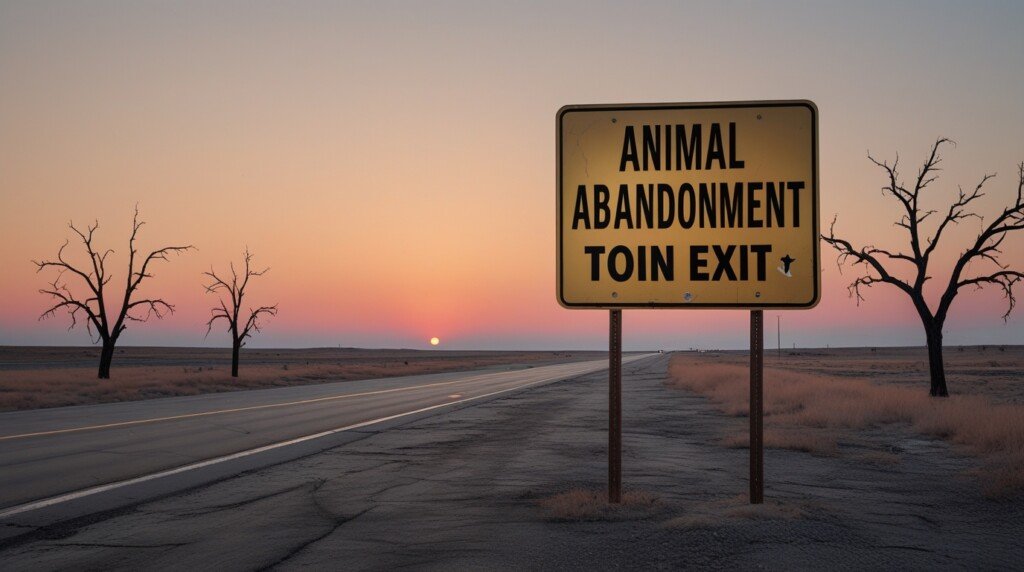
The term “almond exit I-86 animal abandonment” refers to the increasing number of animals left behind, often without care or resources, near the Almond Exit off Interstate 86. This highway is a critical artery for transportation in the region, and it runs through rural and urban zones where animals are often found abandoned by their owners. While the specific reasons for abandonment can vary, the consequences are always severe for both the animals involved and the local community.
What Contributes to Animal Abandonment Near Almond Exit I-86?
Animal abandonment in areas like Almond Exit I-86 is often the result of multiple factors. These include financial constraints, lack of responsibility, and even an overpopulation of pets. Let’s take a closer look at some of the primary causes:
- Financial Burden: Many pet owners abandon their animals when the cost of food, veterinary care, or other necessary expenses becomes overwhelming. For some, leaving an animal behind might seem like the only option when faced with financial hardship.
- Relocation or Life Changes: People who move to new homes, especially when moving long distances, may abandon their pets due to an inability to take them along. These pets are often left behind in remote areas like Almond Exit I-86.
- Behavioral Issues: Some pets are abandoned because they exhibit behaviors that their owners are unable or unwilling to address, such as aggression or destructive habits. Rather than dealing with these challenges, some individuals choose to abandon the animal altogether.
- Irresponsible Pet Ownership: Some people view pets as temporary companions and fail to recognize the long-term commitment required for responsible pet ownership. When an animal becomes too much to handle, abandonment can be seen as an easy solution.
These factors contribute to the growing number of abandoned animals near Almond Exit I-86, which has raised significant concerns among local residents and animal welfare organizations.

The Impact of Almond Exit I-86 Animal Abandonment
The issue of almond exit I-86 animal abandonment is not just a moral or ethical concern; it also presents tangible risks to public safety, wildlife, and the environment. Let’s explore how the animals left behind are affected and what consequences this abandonment brings to the community.
Animal Welfare
For the animals abandoned at Almond Exit I-86, the consequences are often dire. Without proper care, these animals are left to fend for themselves in a hostile environment. Many of these pets have not developed the skills necessary to survive in the wild and are left vulnerable to various dangers. These dangers include:
- Starvation and Dehydration: Abandoned animals often struggle to find food and water, leading to malnutrition and dehydration.
- Exposure to the Elements: With no shelter, these animals are exposed to extreme weather conditions, including the cold winters of New York, which can lead to hypothermia or death.
- Injury: Animals abandoned near the highway are at risk of being struck by passing vehicles, which could result in serious injuries or death.
- Disease: Stray animals often suffer from illnesses and diseases that, without veterinary care, could lead to suffering and even death. In some cases, these diseases could spread to other local wildlife or domesticated pets.
Impact on Public Safety and Traffic
Abandoned animals near almond exit I-86 also pose a significant safety hazard. As animals wander into the roadway, they create traffic risks. Drivers may swerve to avoid hitting an animal, leading to potential accidents and collisions. The sudden appearance of an animal on the road can also cause distractions, resulting in drivers losing focus and causing further accidents.
Additionally, drivers who encounter abandoned animals might not know how to respond. In the absence of immediate assistance, these animals may remain on the road for extended periods, increasing the risk of traffic-related accidents.
Environmental Impact
The abandonment of animals has a broader environmental impact as well. Abandoned pets can disrupt local wildlife populations. For instance, cats and dogs that roam freely may hunt and kill native wildlife, such as birds, small mammals, and insects. This can create an imbalance in the local ecosystem, especially if abandoned animals become prolific breeders in the area. Additionally, some abandoned animals may carry diseases that pose a risk to both local wildlife and other domesticated animals.
How the Community is Responding to Almond Exit I-86 Animal Abandonment
Fortunately, several local organizations, animal shelters, and concerned citizens have taken steps to address the problem of almond exit I-86 animal abandonment. Through education, rescue operations, and advocacy, they are working to combat the rising trend of animal abandonment and ensure the safety and welfare of the animals in their care.
Animal Shelters and Rescue Operations
Local animal shelters and rescue groups play a critical role in rescuing abandoned animals and finding them new homes. These organizations are often the first to respond when reports of abandoned pets near almond exit I-86 are received. Some of the primary shelters and rescue groups that are involved in these efforts include:
- The Jonesborough Animal Shelter: Providing temporary shelter and medical care for abandoned animals, the shelter is actively involved in rescuing pets and finding them homes. The shelter also works with local veterinarians to ensure that animals receive proper vaccinations and treatments.
- Tennessee Valley Humane Society: This organization works to educate the public about responsible pet ownership and offers assistance for those in need of support, such as low-cost spaying and neutering programs.
- Local Volunteers and Animal Advocates: Many grassroots groups and individuals are dedicated to rescuing abandoned animals from the Almond Exit I-86 area. These volunteers provide immediate help and work with larger organizations to rehome the animals.
Awareness and Education Campaigns
To prevent further almond exit I-86 animal abandonment, local organizations have launched awareness campaigns aimed at educating the public about responsible pet ownership. These campaigns focus on:
- Spaying and Neutering: Educating pet owners about the importance of spaying and neutering their animals to prevent overpopulation.
- Affordable Pet Care: Providing information about low-cost pet care services, including veterinary clinics and pet food assistance programs, to prevent financial strain from becoming a reason for abandonment.
- Adoption and Fostering: Encouraging people to adopt pets from shelters and fostering animals in need. These initiatives help reduce the number of pets living on the streets or in shelters.
Legal Measures and Law Enforcement
Animal abandonment is illegal in many areas, including New York, and those found guilty of abandoning animals can face legal consequences. In response to the rising number of abandoned animals near almond exit I-86, local law enforcement has become more vigilant about enforcing animal protection laws. Individuals caught abandoning animals can face fines, community service, or even jail time, depending on the severity of the case.
Community Support and Volunteering
The community plays a crucial role in combating almond exit I-86 animal abandonment. Residents are encouraged to report any sightings of abandoned animals to animal control services or local shelters. By supporting local animal rescue groups, either through donations, volunteering, or adopting pets, individuals can make a positive difference in the lives of these abandoned animals.
How Can You Help Combat Animal Abandonment?
If you live in or near Jonesborough or frequently travel on almond exit I-86, there are several ways you can help prevent animal abandonment and improve the welfare of abandoned animals:
- Adopt or Foster Pets: Many of the animals rescued from almond exit I-86 are in need of permanent homes.
- Donate: Donations of money, pet food, toys, and blankets can help shelters care for abandoned animals and provide them with the resources they need for a better life.
- Report Abandoned Animals: If you see an abandoned animal near almond exit I-86, report it to local authorities or a nearby animal shelter. Quick action can save lives and ensure that animals get the help they need.
- Support Legislation: Advocate for stronger animal protection laws and support local policies that protect animals from abandonment and mistreatment.
Conclusion
The issue of almond exit I-86 animal abandonment is a growing concern that affects not only the animals but also the local community, the environment, and public safety. With concerted efforts from local organizations, law enforcement, and the community, it’s possible to reduce the incidence of animal abandonment and ensure better outcomes for the animals involved. If you’re in the Jonesborough area or travel along almond exit I-86, there are many ways you can help—whether by adopting a pet, volunteering, donating, or reporting abandoned animals. Together, we can work towards a solution that protects both the animals and the community.
FAQs
1. How can I report an abandoned animal near Almond Exit I-86?
You can report abandoned animals to local animal shelters, animal control services, or through dedicated online platforms that track animal sightings.
2. What are the consequences for abandoning an animal in New York?
Animal abandonment is illegal in New York and can result in fines, community service, or even jail time, depending on the severity of the case.
3. How can I adopt a pet in the Jonesborough area?
You can adopt a pet from local shelters such as the Jonesborough Animal Shelter or the Tennessee Valley Humane Society, both of which have adoption programs.
4. What is the best way to prevent animal abandonment?
Promoting responsible pet ownership, encouraging spaying and neutering, providing access to affordable pet care, and supporting local shelters can help reduce the number of abandoned animals in the area.