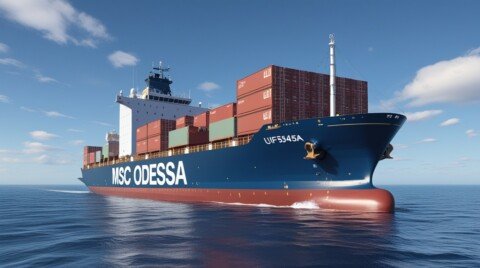



In the realm of oceanography and marine research, scientific vessels play a crucial role in advancing our understanding of the ocean’s ecosystems, geology, and climate. One such vessel, the R/V Marcelle Melosira, has made significant contributions to the field of marine science. This research vessel is equipped with state-of-the-art technology, enabling scientists to explore, monitor, and study the world’s oceans in unprecedented detail. In this article, we will explore the R/V Marcelle Melosira, its specifications, the research it supports, and the impact it has had on oceanographic studies.
What is the R/V Marcelle Melosira?
The R/V Marcelle Melosira is an oceanographic research vessel that is used for conducting a wide range of scientific studies related to marine biology, oceanography, and environmental monitoring. The vessel is equipped with specialized tools and equipment designed to collect data on ocean temperature, salinity, current flows, marine life, and seabed composition. These studies are critical for understanding ocean systems, marine ecosystems, and the effects of climate change on our oceans.
Named after Marcelle Melosira, a notable figure in the history of marine science, the R/V Marcelle Melosira serves as a mobile laboratory for scientists around the world. Its versatility and technological capabilities make it an indispensable resource for oceanographic institutions, universities, and environmental organizations.
The Importance of Oceanographic Research Vessels
Oceanographic research vessels like the R/V Marcelle Melosira are essential tools in the study of the world’s oceans. Oceans cover over 70% of the Earth’s surface and are vital to regulating climate, supporting marine biodiversity, and providing resources for human consumption. Understanding ocean processes and ecosystems is critical for addressing environmental challenges such as climate change, ocean pollution, and overfishing.
The primary functions of oceanographic research vessels include:
- Data Collection: These vessels are equipped with sensors and instruments that gather real-time data from the ocean, including water temperature, salinity, and pressure. This data helps scientists understand ocean currents, climate patterns, and the health of marine ecosystems.
- Marine Biology Studies: Research vessels provide the tools needed to study marine life, from microscopic plankton to large marine mammals. They allow scientists to observe the behavior, distribution, and health of marine species.
- Environmental Monitoring: Oceanographic vessels help monitor the effects of human activities on marine environments. They track pollution levels, study the impact of oil spills, and assess the health of coral reefs and coastal ecosystems.
- Geological Research: These vessels are equipped with tools to study the ocean floor, map underwater landscapes, and understand geological phenomena such as plate tectonics and underwater volcanoes.
The Specifications of the R/V Marcelle Melosira
The R/V Marcelle Melosira is designed to handle a wide range of scientific tasks in some of the most challenging environments on Earth. Its features include advanced laboratories, navigation systems, and equipment to support both short-term and long-term research expeditions.
1. Vessel Design and Structure
The R/V Marcelle Melosira has a robust, reinforced hull capable of withstanding harsh ocean conditions, including storms and rough waters. This durability ensures that it can operate in a variety of marine environments, from the deep ocean to coastal waters. The vessel is equipped with advanced stabilizing systems that minimize the impact of waves and provide a steady platform for scientific equipment.
2. Scientific Laboratories
The vessel boasts cutting-edge laboratories that are essential for analyzing oceanographic data in real-time. These laboratories are designed to handle various types of experiments, including chemical analysis, biological sampling, and geological studies. The R/V Marcelle Melosira features clean rooms for delicate samples, wet laboratories for marine biology studies, and geophysical labs for geological research.
3. Advanced Instrumentation and Equipment
Equipped with an array of sensors, the R/V Marcelle Melosira is capable of collecting high-precision data on a variety of environmental factors. Some of the key instruments onboard include:
- Multibeam Echo Sounder: Used for mapping the ocean floor in high detail, this technology provides 3D images of underwater topography and helps scientists study geological formations and marine habitats.
- CTD Instruments (Conductivity, Temperature, Depth): These devices measure the physical properties of seawater, such as temperature, salinity, and pressure. They are essential for understanding ocean currents and studying water column dynamics.
- Submersibles and ROVs (Remotely Operated Vehicles): These vehicles enable deep-sea exploration and allow scientists to gather data from the ocean floor, collect samples, and observe marine life in its natural habitat.
- Environmental Sensors: These sensors measure pollutants, such as plastics, toxins, and oil, in the water. They provide real-time data on the health of marine environments and track the impact of human activities.
4. Crew and Scientific Team
The R/V Marcelle Melosira is staffed by a highly skilled crew of maritime professionals and scientists. The ship’s crew ensures the safe operation of the vessel, while the scientific team works on collecting, analyzing, and interpreting the data gathered during the research expeditions. The collaboration between the crew and researchers is crucial for the success of oceanographic studies and ensures that the vessel remains in peak operational condition.
The Research Impact of the R/V Marcelle Melosira
The R/V Marcelle Melosira has contributed significantly to various fields of marine science and environmental research. Some of the areas where the vessel has had a profound impact include:
1. Climate Change Studies
Understanding the role of oceans in regulating the Earth’s climate is essential for predicting and mitigating the effects of climate change. The R/V Marcelle Melosira has played a vital role in studying ocean circulation patterns, carbon absorption, and the effects of rising ocean temperatures. Data collected from the vessel has helped scientists understand how changes in the oceans contribute to global warming, sea-level rise, and extreme weather events.
2. Marine Conservation and Biodiversity
The R/V Marcelle Melosira has also been instrumental in marine conservation efforts. By conducting extensive studies on marine ecosystems, coral reefs, and endangered species, the vessel helps provide data that informs conservation strategies. Research on ocean pollution, overfishing, and habitat destruction has led to the development of policies aimed at preserving marine biodiversity and ensuring the long-term health of oceans worldwide.
3. Pollution Tracking and Mitigation
The vessel’s advanced environmental sensors allow scientists to track pollution levels in the ocean, including plastic waste, chemicals, and oil spills. This research helps identify pollution hotspots, monitor the movement of pollutants, and assess the long-term environmental impacts. By understanding the spread of pollution, the R/V Marcelle Melosira plays a crucial role in efforts to mitigate the effects of human activity on marine environments.
4. Geological Research and Seafloor Mapping
The R/V Marcelle Melosira has made significant contributions to geological research by mapping the ocean floor and studying underwater geological formations. The vessel’s multibeam echo sounder and submersible technologies allow scientists to explore the deep ocean and uncover new insights into the Earth’s geological history. These studies help improve our understanding of plate tectonics, underwater volcanoes, and earthquake-prone areas.
Collaborations and Partnerships
The R/V Marcelle Melosira often works in collaboration with international research institutions, universities, and environmental organizations. These partnerships help maximize the vessel’s research potential by combining resources, expertise, and knowledge. Collaborative research projects often focus on global challenges such as climate change, ocean pollution, and the protection of marine biodiversity.
One notable collaboration is with marine research programs that focus on the conservation of marine mammals, coral reefs, and the study of ocean acidification. These partnerships help address the most pressing issues facing the oceans today and ensure that the data gathered by the R/V Marcelle Melosira contributes to global efforts to protect the marine environment.
Challenges and Opportunities for the R/V Marcelle Melosira
While the R/V Marcelle Melosira is an essential tool for scientific research, it also faces several challenges in its operations. Some of these challenges include:
1. Harsh Ocean Conditions
Operating in some of the world’s most remote and harsh environments presents logistical challenges for the R/V Marcelle Melosira. Extreme weather conditions, rough seas, and long-duration voyages can place a strain on the vessel and its crew. However, the vessel’s design and technological features ensure it is capable of handling these conditions, enabling it to operate effectively even in the most challenging environments.
2. Funding and Resource Allocation
Oceanographic research is expensive, and funding for such projects can be limited. The R/V Marcelle Melosira, as an essential tool for marine science, relies on grants, partnerships, and institutional support to fund its research expeditions. Continued investment in research vessels is vital to ensuring that the world’s oceans remain a priority for scientific exploration.
3. Technological Advancements
As technology continues to evolve, the R/V Marcelle Melosira must adapt to incorporate the latest advancements in marine research equipment. This includes upgrading sensors, improving navigation systems, and incorporating new data collection technologies. Staying at the forefront of technological innovation ensures that the vessel remains an invaluable resource for researchers.
Conclusion: The Future of the R/V Marcelle Melosira and Oceanographic Research
The R/V Marcelle Melosira represents the cutting edge of oceanographic research, providing scientists with the tools they need to study the world’s oceans in unprecedented detail. From climate change to marine conservation, the vessel has made significant contributions to our understanding of the Earth’s marine environments. As the challenges facing our oceans continue to grow, the R/V Marcelle Melosira will remain an essential resource for tackling these issues and advancing scientific knowledge. The vessel’s ongoing contributions to marine research highlight the importance of continued investment in oceanographic exploration to ensure the health and sustainability of our oceans for future generations.
FAQs
- What is the R/V Marcelle Melosira used for?
The R/V Marcelle Melosira is an oceanographic research vessel used to study marine biology, oceanography, environmental monitoring, and geological processes. - What kind of equipment does the R/V Marcelle Melosira have?
The vessel is equipped with multibeam echo sounders, CTD instruments, submersibles, environmental sensors, and advanced laboratories for real-time data collection and analysis. - How does the R/V Marcelle Melosira contribute to marine conservation?
The vessel conducts research on marine ecosystems, pollution, and biodiversity, providing valuable data that informs conservation strategies and environmental protection efforts. - What challenges does the R/V Marcelle Melosira face?
The vessel faces challenges such as harsh ocean conditions, funding limitations, and the need for constant technological upgrades to remain at the forefront of marine research. - How does the R/V Marcelle Melosira support global scientific collaboration?
The vessel collaborates with international research institutions, universities, and environmental organizations to tackle global marine challenges such as climate change, pollution, and biodiversity conservation.